By Sean Evans
March 30, 2026
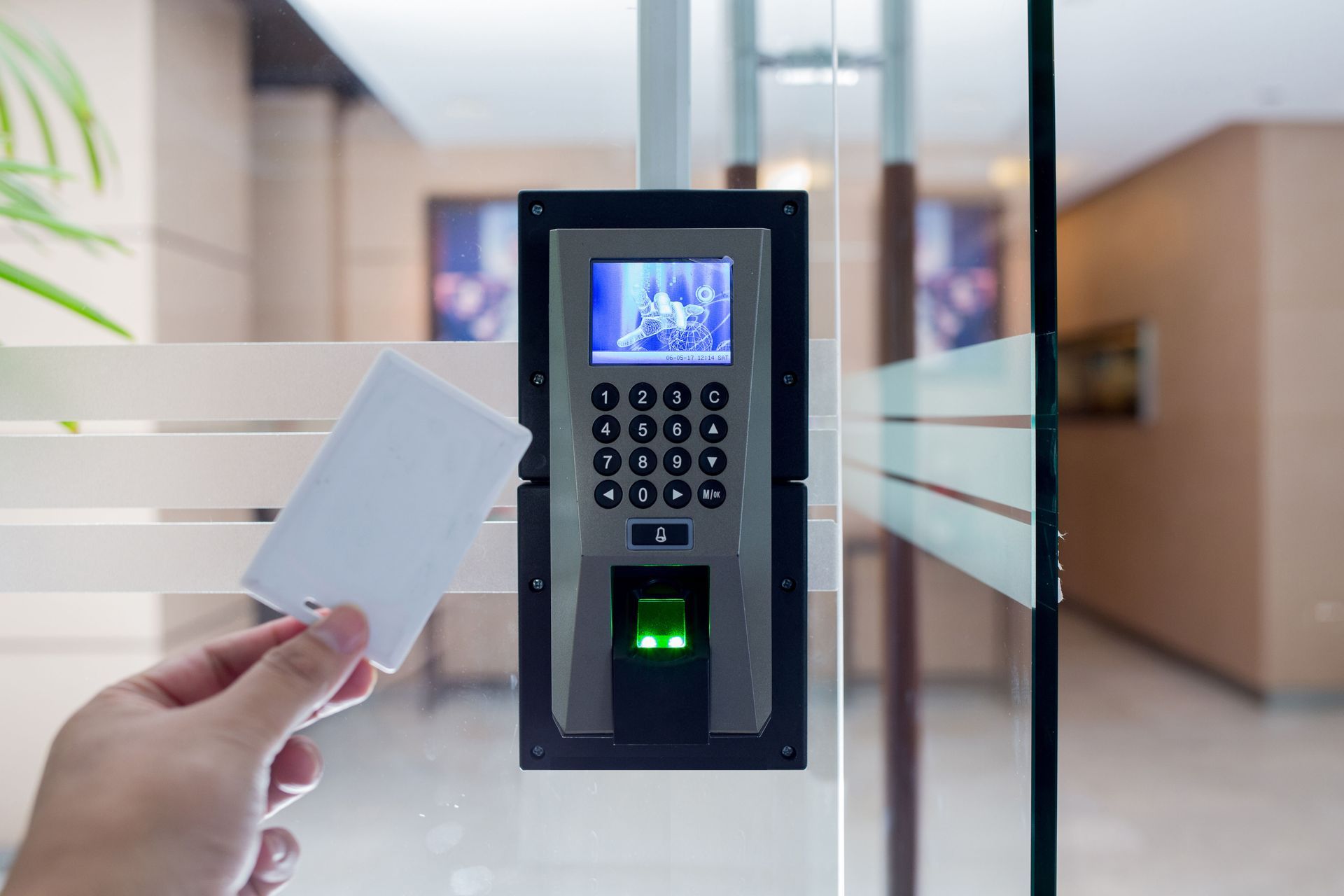
In today’s fast-paced, security-conscious world, selecting the right access control service is more important than ever for organizations of all sizes. Businesses are no longer just protecting physical spaces; they are safeguarding sensitive data, intellectual property, and valuable assets that require comprehensive security solutions. A modern access control service goes far beyond traditional locks and keys, incorporating advanced technologies such as biometric verification, cloud-based monitoring, and mobile access management.
These sophisticated features allow organizations to regulate who can enter certain areas, track access in real time, and respond quickly to potential threats. By implementing such a system, businesses can streamline operations, reduce security risks, and create a safer, more efficient environment for employees, visitors, and stakeholders. Understanding the full range of benefits that come with investing in a modern access control service empowers decision-makers to not only enhance security but also maintain organizational agility, support growth initiatives, and prepare proactively for future challenges in an increasingly complex operational landscape.
Enhancing Security
Modern access control systems excel at enhancing security through features like real-time monitoring and biometric authentication. Real-time monitoring allows security teams to observe entry and exit activity live, enabling immediate responses to potential threats. Biometric methods, such as facial recognition or fingerprint scanning, provide an additional layer of protection, as these identifiers are unique and difficult to duplicate. By combining these technologies, an access control service ensures that only authorized individuals can access sensitive areas, minimizing risk.
Data encryption plays a critical role in protecting information handled by access control systems. Encrypting data in transit and at rest keeps sensitive records safe from cyber threats. Multi-factor authentication further strengthens security by requiring multiple verification methods before granting access. Alerts and notifications provide instant awareness of suspicious activity, allowing organizations to address issues quickly and maintain operational integrity. According to Grand View Horizon, the U.S. access control market generated $2,622.6 million in revenue in 2024 and is projected to reach $3,682.5 million by 2030, highlighting the increasing reliance on advanced security measures.
Improving Access Management
Access management is streamlined with a modern access control service, allowing organizations to efficiently regulate who can enter specific areas. Customizable user roles enable businesses to assign permissions based on employee function or department, reducing the risk of unauthorized access. Flexible scheduling also allows administrators to adjust access times according to operational needs, optimizing resource use and maintaining security.
Remote access control is particularly valuable for businesses with multiple sites or off-hour operations. Administrators can modify access permissions securely from any location, ensuring security measures remain consistent. Detailed audit logs and reporting features track all access activity, assisting with investigations and compliance requirements. Integrating visitor management further improves efficiency by streamlining registration and monitoring of onsite guests. Together, these tools allow organizations to manage access more effectively while providing a seamless experience for employees and visitors alike.
Lowering Operational Costs
A modern access control service can reduce operational expenses through automation and efficiency. Automated entry systems and real-time monitoring reduce the need for extensive on-site security personnel. Organizations can scale their security infrastructure without incurring significant additional costs, as modern systems are designed for growth and flexibility.
Maintenance costs are also lower with modern access control systems. Unlike traditional locks, which may require frequent repairs or replacements, contemporary solutions rely on software updates to improve performance. Energy-efficient components further contribute to cost savings, reducing utility expenses over time. By minimizing the likelihood of security breaches, businesses can avoid potential losses from theft, data compromise, or property damage. The financial advantages of these systems make them a strategic investment that pays off in the long term.
Improving User Experience
User experience is significantly enhanced when organizations implement a modern access control service. Automation reduces the hassle of navigating security protocols, allowing authorized personnel to move seamlessly throughout the facility. Integration with mobile devices allows users to manage credentials on-the-go, providing convenience and flexibility. Cloud-based platforms ensure system accessibility from anywhere, keeping data and access permissions synchronized in real time.
Mobile integration also reduces reliance on physical keys or cards, lowering the risk of lost or stolen credentials. User-friendly interfaces guide employees through secure access processes, while automated onboarding simplifies the addition or modification of user permissions. By prioritizing usability, modern access control systems foster confidence and satisfaction among users, encouraging compliance and minimizing operational delays.
Future-Proofing Security Systems
Investing in a modern access control service ensures that security infrastructure remains adaptable as technology evolves. These systems are designed to integrate with emerging innovations, such as IoT devices, supporting seamless connectivity across platforms. Regular software updates keep the system compliant with evolving industry standards while maintaining optimal functionality.
Scalability is another key factor in future-proofing. Organizations can expand access control capabilities to accommodate growth, new locations, or additional users without replacing the entire system. Support for new security protocols allows businesses to remain resilient against emerging threats, ensuring long-term protection. Cloud-based and hybrid solutions further enable organizations to integrate AI-driven monitoring, predictive analytics, and automated response tools into their security strategy, positioning them ahead of potential vulnerabilities. By choosing a future-ready access control service, organizations secure a system that evolves with their needs, providing lasting operational and security benefits.
Supporting Compliance and Regulatory Standards
Compliance with industry regulations is simplified through modern access control services. Advanced authentication methods and detailed logging capabilities help organizations meet stringent requirements for data protection and operational security. These features allow businesses to provide auditors with clear documentation of access events, demonstrating adherence to established standards.
Automated audit trails and reporting streamline regulatory processes, saving time and reducing the risk of human error. Ensuring privacy compliance is also easier with encryption and controlled access protocols built into the system. Businesses can customize access policies to satisfy HIPAA, ISO, or SOC compliance standards, depending on their industry, ensuring comprehensive protection. A reliable access control service helps organizations maintain compliance efficiently, reducing the likelihood of costly fines or penalties while fostering trust among customers and partners.
Strengthening Operational Efficiency
Operational efficiency is enhanced by implementing a modern access control service that integrates with daily workflows. Automated access management reduces manual oversight, freeing staff to focus on strategic tasks. Centralized control and monitoring streamline administrative processes, ensuring quick resolution of access issues.
Workflow integration further supports efficiency by aligning access controls with business operations, such as department schedules, project timelines, or restricted zones. Real-time alerts allow rapid responses to incidents, reducing downtime and maintaining productivity. Data-driven insights can also inform future operational decisions, such as optimizing staffing levels or identifying patterns in facility usage. By strengthening operational efficiency, access control services not only secure the environment but also contribute directly to organizational performance and resource optimization.
Investing in a modern access control service offers comprehensive advantages, from heightened security and regulatory compliance to improved operational efficiency and user experience. These systems enable organizations to adapt to evolving technological and business needs while safeguarding both physical and digital assets. With the projected growth of the access control market, the importance of implementing advanced solutions becomes even more evident. A strategic investment in an access control service positions organizations for future-ready security and operational resilience. For organizations seeking a reliable solution, Academy Lock & Key can provide expert guidance and implementation to ensure a secure, efficient, and scalable access control system.