By Sean Evans
March 4, 2026
Whether you’re a homeowner looking to increase safety or a business aiming to protect assets, understanding access control installations is crucial. This guide walks you through everything from basic concepts to advanced security solutions, providing practical insights to make informed decisions. Access control isn’t just about locking doors—it’s about knowing who has access, when they have it, and how securely it’s being managed. By learning the basics and exploring modern solutions, you’ll be able to make decisions that protect your property while fitting your lifestyle or business needs.
Investing in access control installations is increasingly important as security threats evolve. Today’s systems offer far more than traditional locks, combining digital technology, smart devices, and even cloud-based management to make your property safer and more convenient. Whether you’re protecting a family home or a corporate facility, these systems can streamline access, prevent unauthorized entry, and integrate with other security measures to form a comprehensive protective network. With a bit of planning and the right knowledge, you can maximize the benefits and minimize the hassles of modern access control systems.
The Importance of Access Control Systems
Access control systems are the backbone of any property’s security. They regulate who can enter or exit a building and at what times, ensuring that sensitive areas are only accessible to authorized individuals. This applies to everything from a private home to a corporate office, and even specialized facilities like labs or data centers. Proper access control is proactive, reducing risks before they become incidents. Modern access control installations go beyond physical locks—they provide real-time monitoring, alerts, and logs that can give property owners detailed insights into every movement on the premises.
As technology evolves, digital solutions are becoming the standard. According to the Locksmith Ledger 2023 State of the Industry report, 81% of locksmiths indicated that electronic access control will impact their product portfolios. This trend reflects the industry’s broader shift toward smarter, more adaptable security measures. Whether it’s a cloud-based system, a biometric scanner, or a mobile access solution, property owners have more options than ever. Embracing these innovations ensures that your security keeps pace with potential threats and offers peace of mind for everyone on the property.
Understanding Access Control Installations
At its core, access control installations involve setting up systems that determine who can access your property, when, and under what conditions. These installations are tailored to specific needs, meaning no two setups are exactly alike. Whether it’s a simple keypad system for a small office or a fully integrated biometric solution for a large corporate complex, the goal is the same: to maintain security without creating unnecessary barriers. Understanding the fundamentals of these systems helps property owners make informed choices and avoid common mistakes.
These systems also offer flexibility that traditional locks cannot match. Modern access control installations allow temporary access for visitors or service personnel, integrate with other security systems, and even provide remote management capabilities. This is particularly valuable for businesses or multi-unit residential properties, where controlling multiple access points is a daily challenge. By gaining a solid understanding of how these systems work, property owners can implement solutions that maximize safety, convenience, and efficiency while minimizing risk.
Benefits of Access Control in Residential Settings
Homeowners benefit greatly from access control installations, which provide a layer of protection that goes beyond basic locks. These systems track who enters and exits, when they do so, and can even generate logs that help identify unusual activity. For families, this means greater peace of mind, knowing that children, pets, and personal belongings are safe. Additionally, smart home integration allows homeowners to manage security systems from a mobile app, making it easier than ever to monitor and control access remotely.
Another advantage is the flexibility these systems provide. Temporary access codes can be issued to maintenance workers, guests, or house cleaners without giving out a physical key. This minimizes the risk of lost or copied keys and ensures security is maintained. Access control installations for residential properties also allow customization, from the number of users to levels of access, making them suitable for both small homes and larger estates. With evolving technology, these systems are more intuitive and user-friendly, enhancing both security and convenience.
Access Control in Commercial Properties
For businesses, access control installations are essential tools for safeguarding assets, data, and employees. These systems allow precise control over who can access sensitive areas, reducing the risk of theft, fraud, or data breaches. From regulating employee access to monitoring visitor movements, these systems provide actionable insights that improve security policies. Advanced systems can integrate with time-tracking software, aiding in payroll management and attendance monitoring, creating operational efficiencies alongside security improvements.
Beyond security, these installations also contribute to compliance. Certain industries have strict regulations for data protection, inventory management, or restricted areas. A well-implemented access control installation helps businesses meet these requirements by maintaining detailed access logs and supporting audit trails. Businesses can also adapt quickly to staff changes by updating permissions without replacing locks or keys. In today’s fast-paced corporate environment, access control systems are both a security and management tool, enhancing the overall operational efficiency of the organization.
Types of Access Control Systems
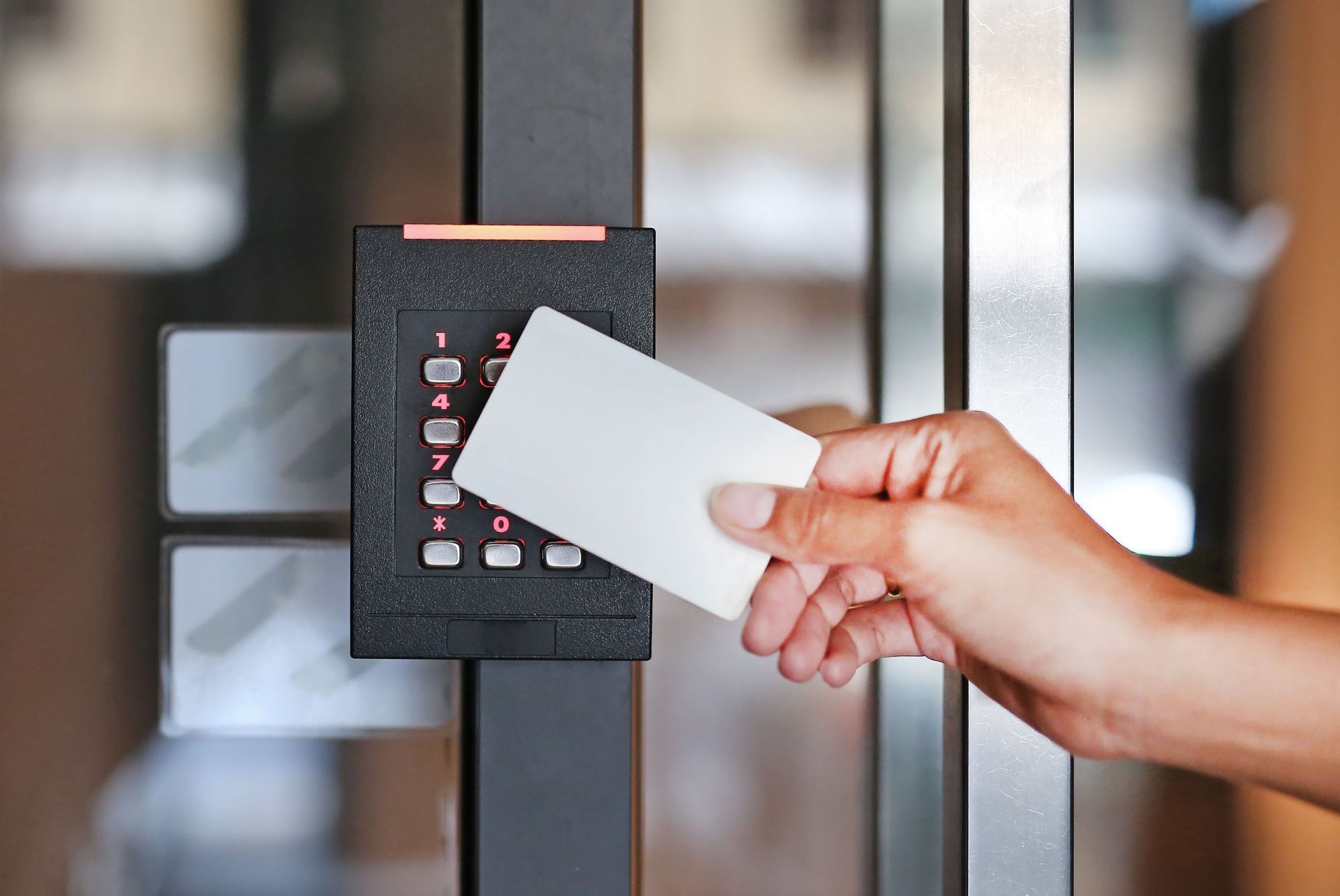
When planning access control installations, it’s important to understand the different system types available. Key-based systems are simple and cost-effective but carry risks like lost or duplicated keys. Keypad or PIN-based systems eliminate physical keys and allow easy code changes, providing higher security. Card-based systems allow tracking of employee or visitor access and often integrate with RFID for touchless entry.
More advanced options include biometric systems, which use fingerprints, facial recognition, or iris scans to identify individuals. These provide top-tier security for sensitive areas but may be more costly. Smartphone and cloud-based solutions allow remote management, granting or revoking access with ease. Modern access control installations often combine multiple systems, creating a layered approach that balances security, convenience, and adaptability to evolving needs. By understanding these options, property owners can choose a system that aligns with their goals and budget.
Planning Your Access Control Installation
Effective planning is essential for access control installations. Start by assessing your property’s security needs, identifying potential vulnerabilities, and considering how different users will access the premises. Residential properties, small businesses, and large facilities each have unique challenges, so tailoring your system ensures that you are neither over- nor under-protected.
Next, evaluate the layout of your property and all potential access points. Map out doors, windows, and other entryways to ensure coverage is complete. Budgeting is also key—consider both installation and ongoing maintenance costs. Don’t forget legal and safety standards, such as accessibility requirements or local security regulations. Thoughtful planning of access control installations sets the stage for a smooth installation process and long-term security success.
Maintaining and Upgrading Your Access Control System
Maintenance keeps your access control installations operating at peak performance. Regular checks, software updates, and hardware inspections help prevent failures and security lapses. Establishing a schedule for inspections ensures issues are caught early, while timely repairs keep the system reliable.
Upgrades enhance system effectiveness. Adding mobile access, biometric verification, or cloud integration keeps your property secure as technology evolves. Planning for future improvements ensures your access control installations remain resilient and scalable. Staying ahead of trends allows property owners to maintain a modern, secure, and efficient access control system, prepared for evolving threats and needs.
Investing in access control installations is more than just locking doors—it’s about protecting people, property, and peace of mind. From planning and installation to maintenance and integration, these systems offer unmatched security and flexibility compared to traditional locks.
Stay ahead of modern security challenges by understanding and implementing the right solutions for your property. Whether residential or commercial, a well-designed access control system enhances safety, convenience, and operational efficiency. Take the next step in securing your property by contacting Academy Lock & Key today.